DVBehind Closed Doors
This is a sample DV simulation experience representing the style and tone of the full VICARIOUS™ program. Created by a survivor (Toy Burks) for survivors, it is designed for DV agencies, shelters, safehouses, advocates, instructors, and trauma-informed professionals.
The Power and Control Wheel
Recognizing the subtle and overt behaviors perpetrators use to establish and maintain dominance in abusive relationships.
Making and/or carrying out threats to do something to hurt them, threatening to leave, commit suicide, or report them to welfare.
Making them afraid through actionable looks, actions, gestures, smashing things, destroying property, or displaying weapons.
Putting them down, making them feel bad about themselves, calling names, mind games, humiliation, and making them feel guilty.
Controlling who they see, talk to, where they go, limiting outside involvement, and using jealousy to justify actions.
Making light of the abuse, not taking serious concerns seriously, saying it never happened, or shifting responsibility to the victim.
Making them feel guilty about the kids, using children to relay messages, or threatening to take the children away.
Controlling all finances, preventing them from getting or keeping a job, taking their money, or demanding allowance.
Treating them like a servant, making all the big decisions, acting as the "master" of the castle, and defining roles.
Twisting reality, withholding affection as punishment, erratic mood swings, and creating confusion to maintain absolute upper hand.
Choose a Sample Character
Select one of the profiles below to enter their interactive simulation track.
Daniel
Background Profile: Recently left a controlling partner. Now staying in a safehouse. Working on emotional safety, boundaries, and rebuilding confidence.
Alina
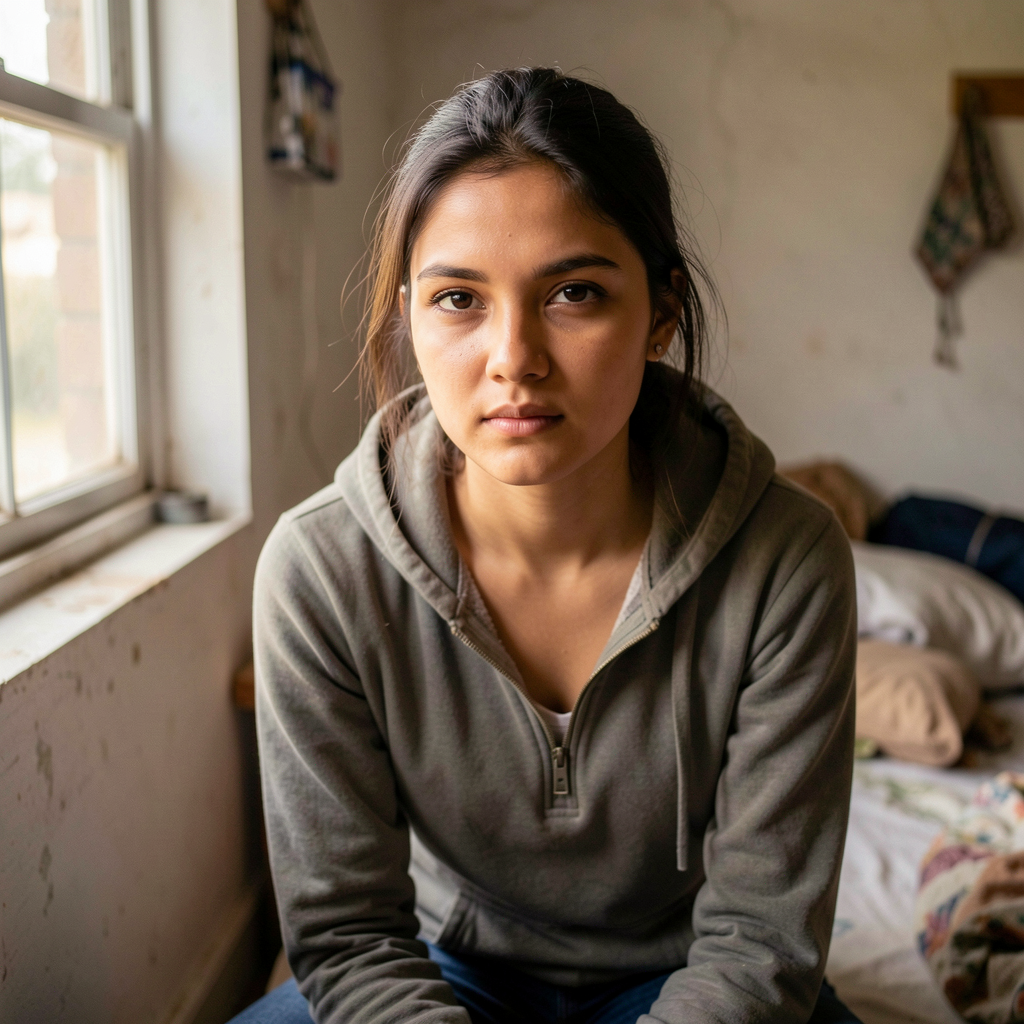
Background Profile: Escaped a harmful relationship. Now in shelter housing. Healing from gaslighting, isolation, intimidation, and emotional manipulation.
Simulation Complete
“You have completed this sample experience. Below is a preview of the Homework & Reflection section used in the full program.”
Sample Homework & Reflection Block
Designed for processing experiences, clarifying boundaries, and reinforcing individual empowerment following simulation modules.
Reflect on the emotional patterns or manipulation strategies observed during the simulation.
Consider the practical applications of trauma-informed awareness in daily advocacy or personal life.
Identify specific internal practices or external environments that restore your sense of stability.
Formulate a clear, direct affirmation of your resilience, autonomy, and worth.